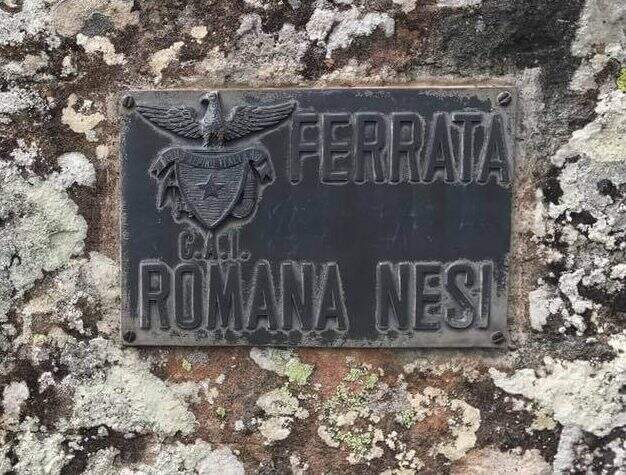
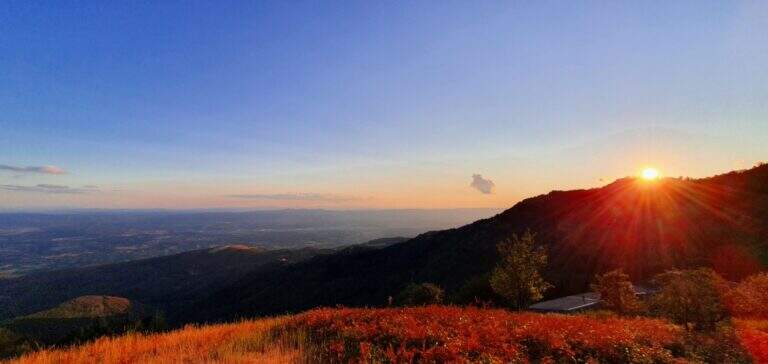
La Ferrata Romana Nesi è a short and athletic route along the Overview of the Pratomagno. It does not stand out for l' environment né for l'arrampicabilità, but for l'atleticità of some passages and for the possibletà to travel it in every season; with approach and return l' the whole excursion closes in little più of two hours.
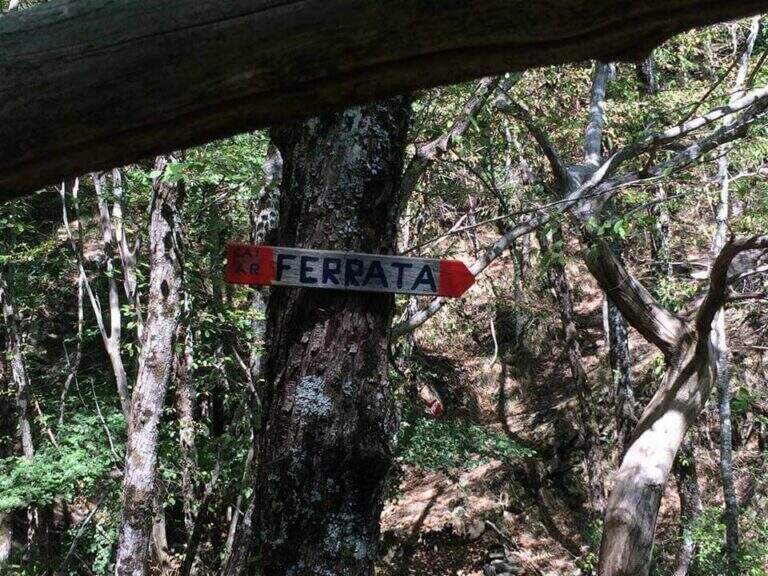
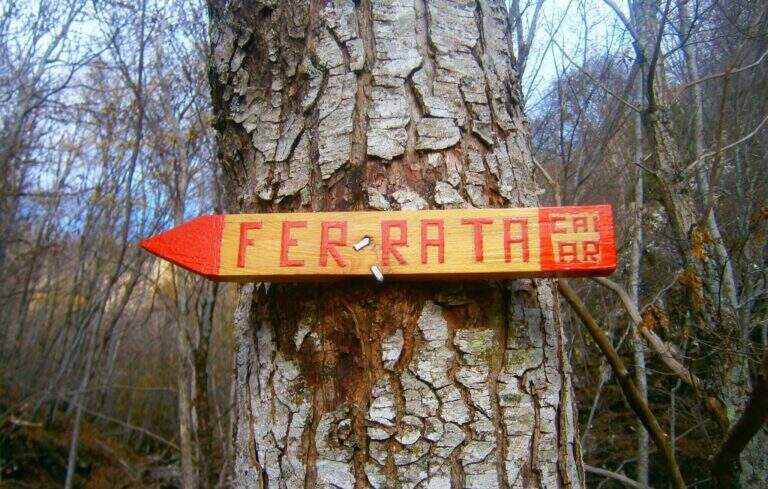
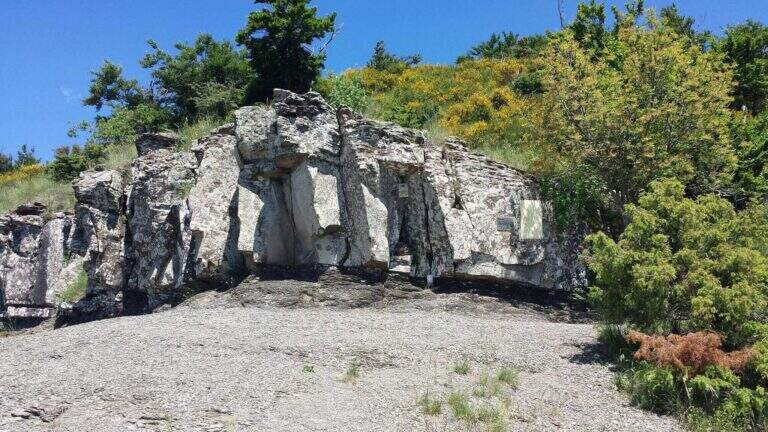
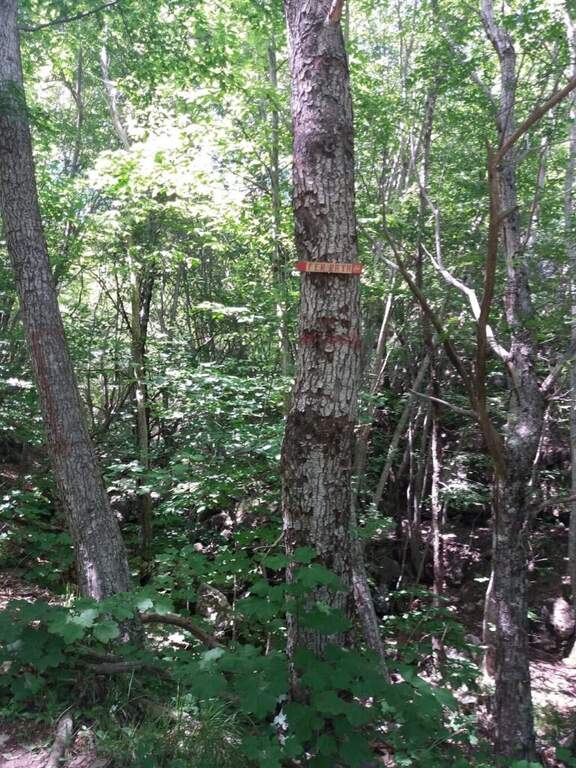
You arrive along the Strada Overview of Pratomagno: exit at Valdarno you reach Terranuova Bracciolini (SP 11), then Loro Ciuffenna (SP 5) and the fraction of Anciolina. Crossing the village you go up for a couple of minutes until a crossroads: on the left the Pratomagno, you hold the destra downhill ; after about 400 m a sledge (often with stacked wood) allows you to park, and a little further, on the left, a second road above the edge. Open road signs on Google Maps. A piedi si risale la strada per circa 200 m fino a un largo e ripido sentiero segnalato da un cartello del CAI di Arezzo; dopo qualche centinaio di metri si seguono due segnavia (freccia rossa su un sasso e su un albero) che salgono a destra, si supera il greto di un torrente di solito asciutto e, per facili roccette seguendo i segni bianco-rossi, si arriva all'attacco (25' dal parcheggio).
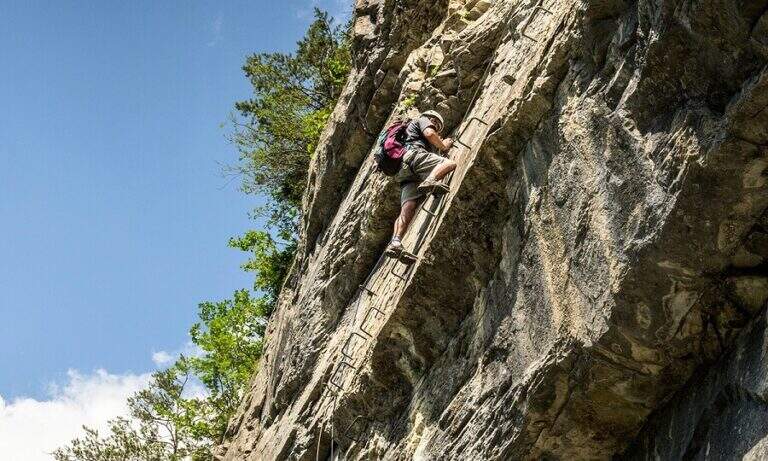
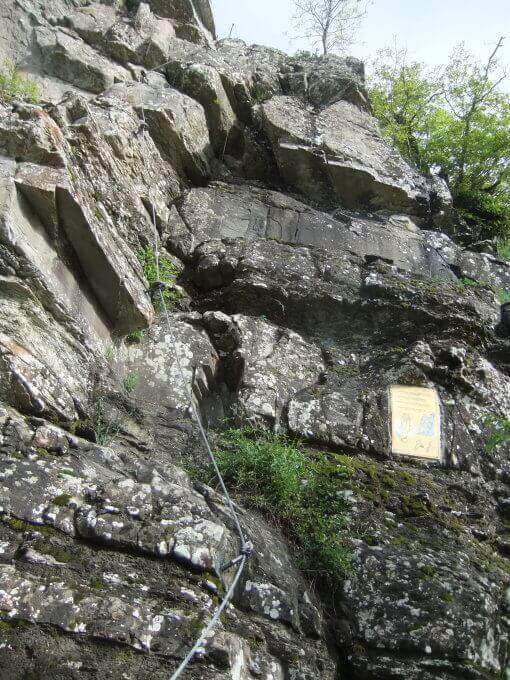
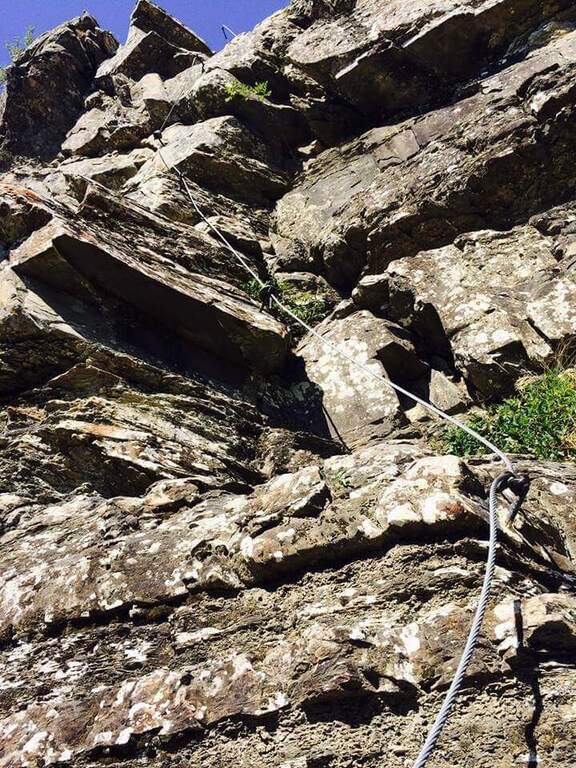
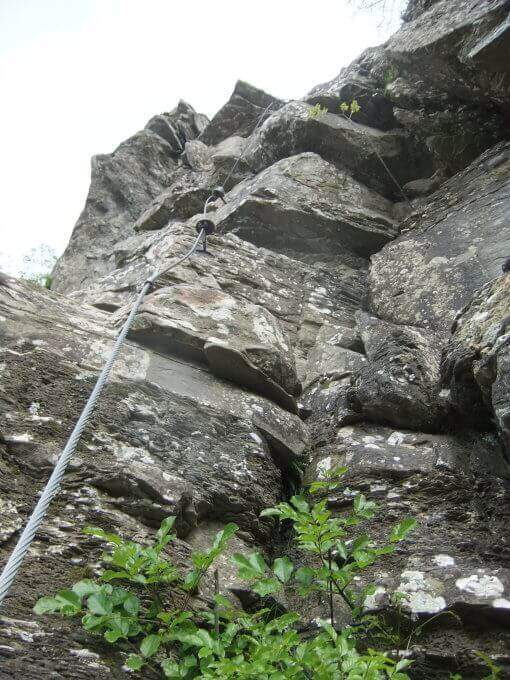
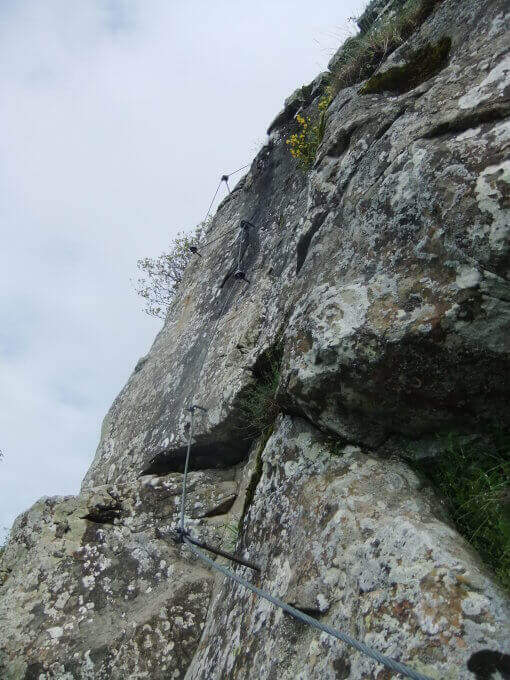
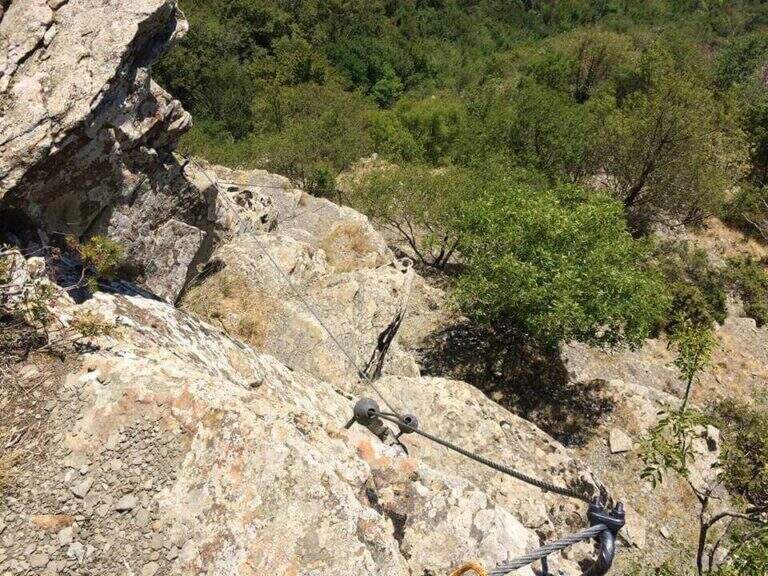
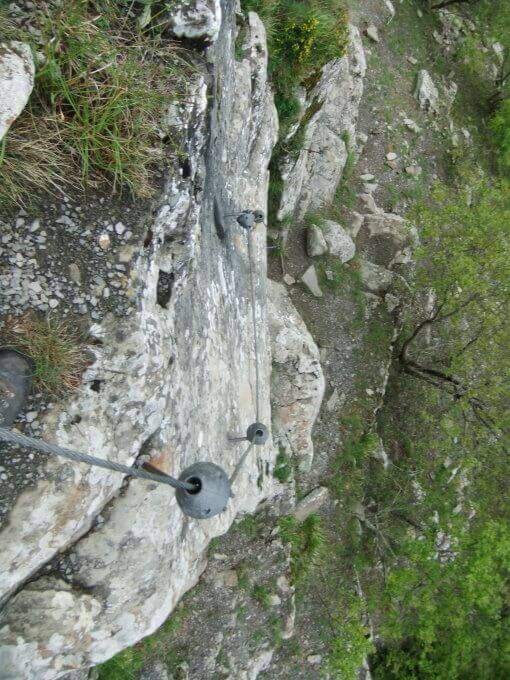
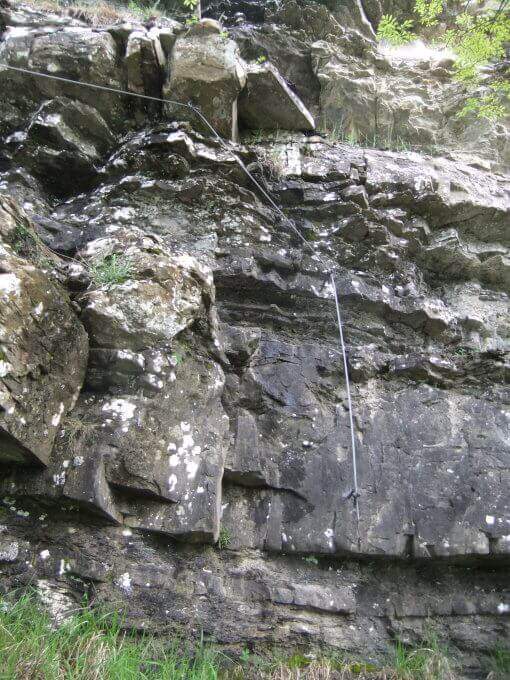
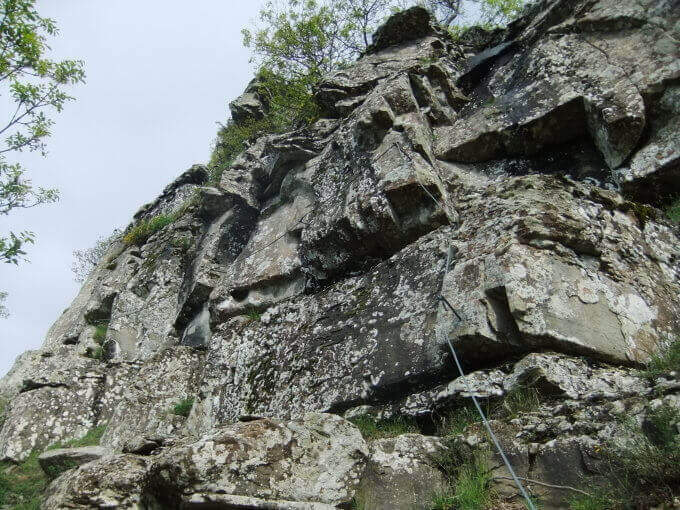
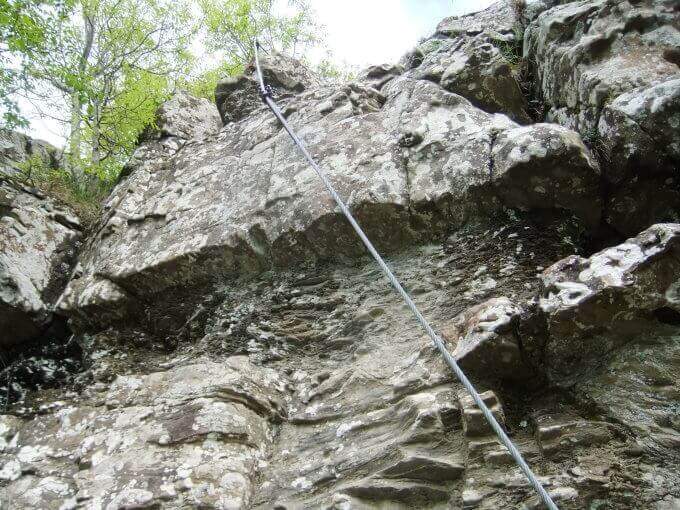
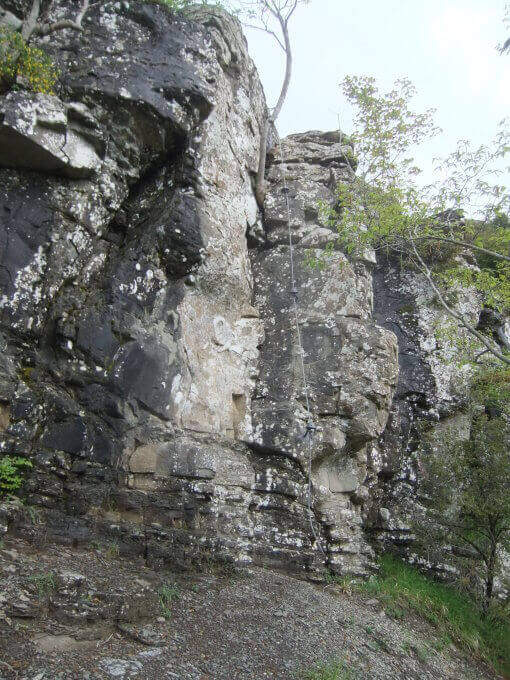
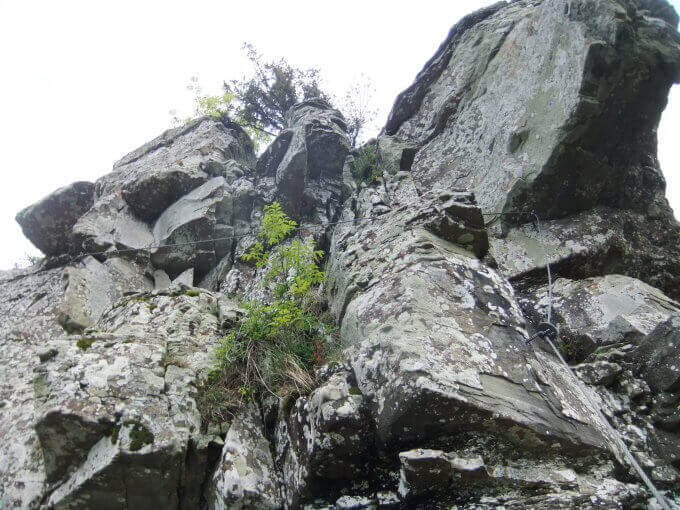
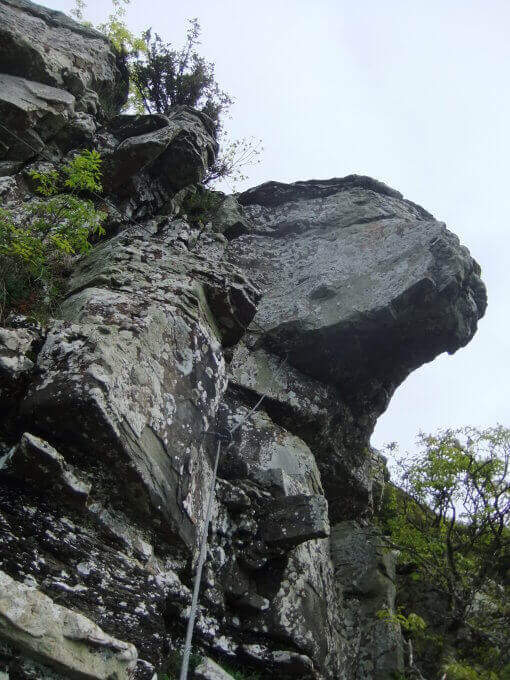
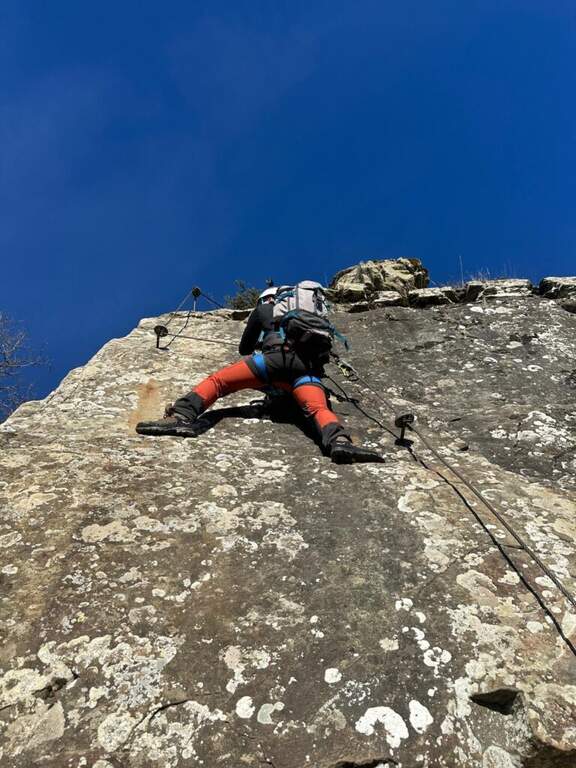
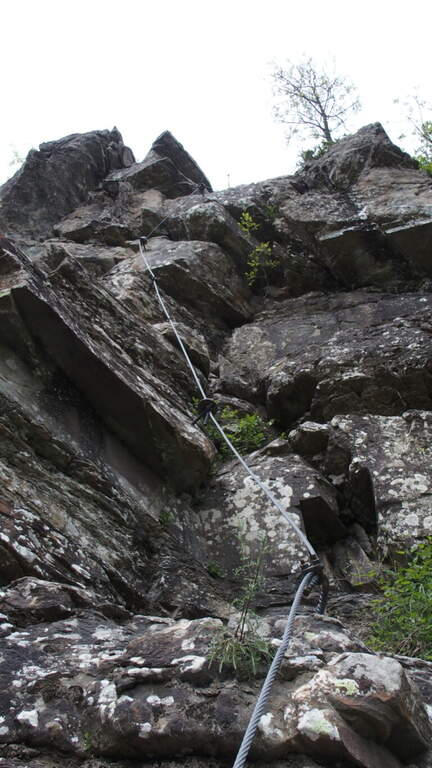
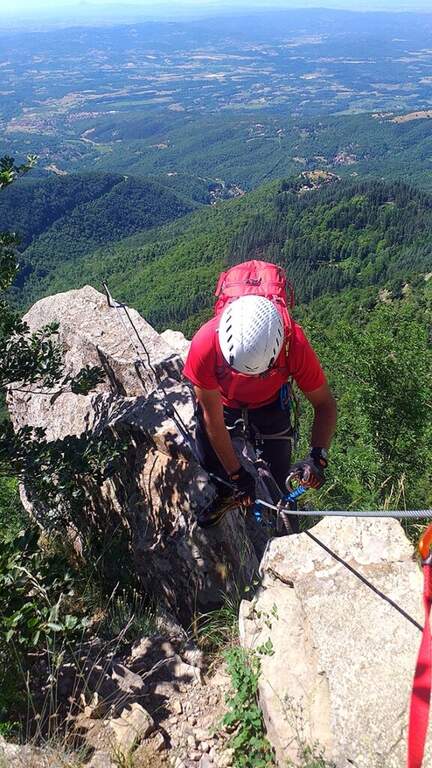
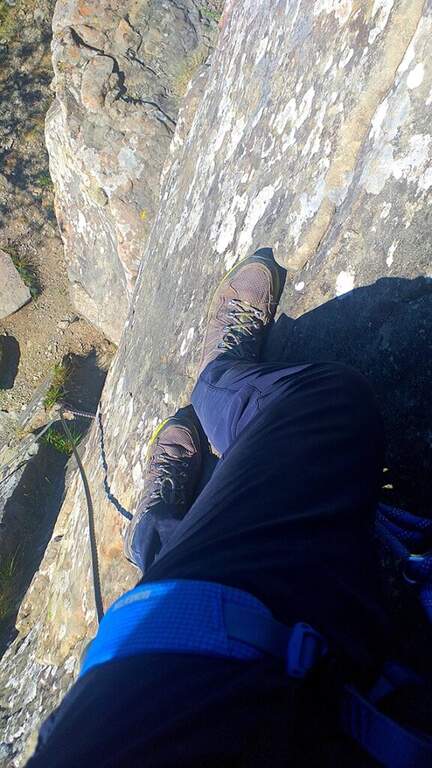
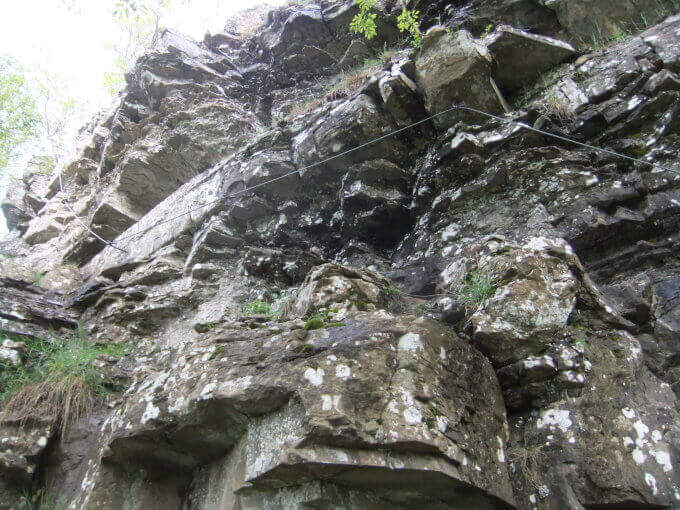
La via è breve e risale una serie di balzi rocciosi con un tracciato non sempre logico, che rende atletici alcuni tratti. Il primo tratto sale una parete di una decina di metri dove, per mancanza di appigli, è difficile non trazionare sul cavo, poi una parete apparentemente liscia in cui si trovano alcune rientranze; si stacca e per sentiero si raggiunge il secondo tratto, con una cengia protetta e una parete leggermente strapiombante dove sfruttare infissi ed esili appigli (cambio moschettone rapido per non sforzare le braccia). La terza sezione, la più difficile, è una parete verticale priva di appigli da superare in aderenza e trazione, con uno spigolo esposto e un diedro finale ancora in aderenza. Il quarto tratto è un diedro che, dopo un balzo iniziale per staccarsi da terra, diventa arrampicabile e piacevole; si raggiunge un masso attrezzato (aggirabile) e l'ultima parte, con un diedro e uno spigolo affilato ma ben appigliato, fino all'ultimo salto che conclude la via (1h dall'attacco / 1h 30' dal parcheggio). Ogni sezione è aggirabile per sentiero, così da poter evitare le parti non desiderate.
Environment without any particular difficulties;; the difficulties; are «cercate» in the various balconies, at the expense of ' climbing. Created by the CAI of Arezzo in 1992, & useful as a test bench and as a winter training in view of summer più excursions; challenging.
Low share, in theory, can be traced all l' year; at the moment, however, the route turns out chiusa (see notice in the head). Paths of approach and return excellently marked.
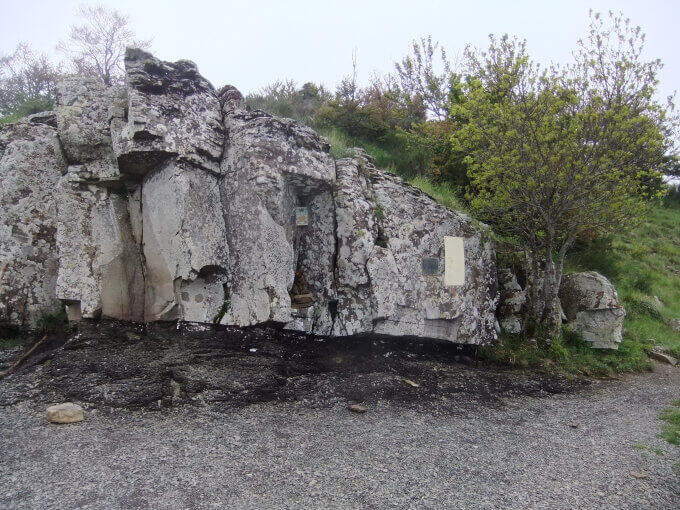
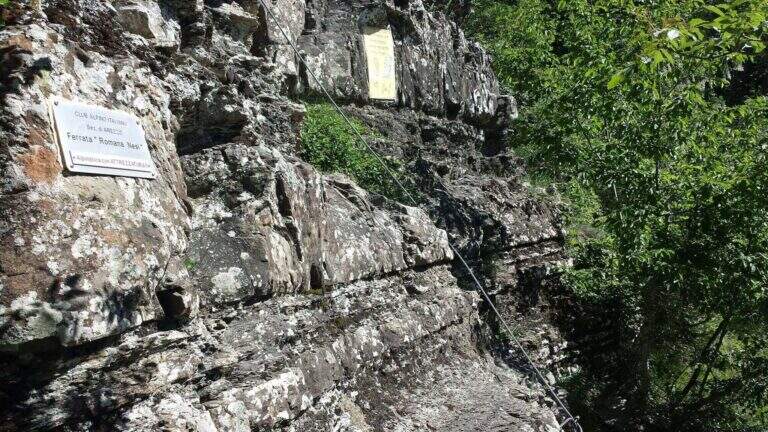
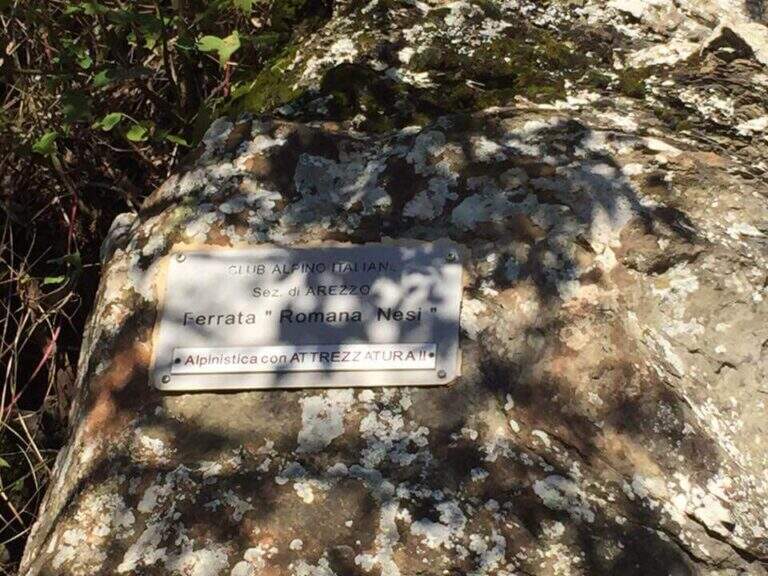
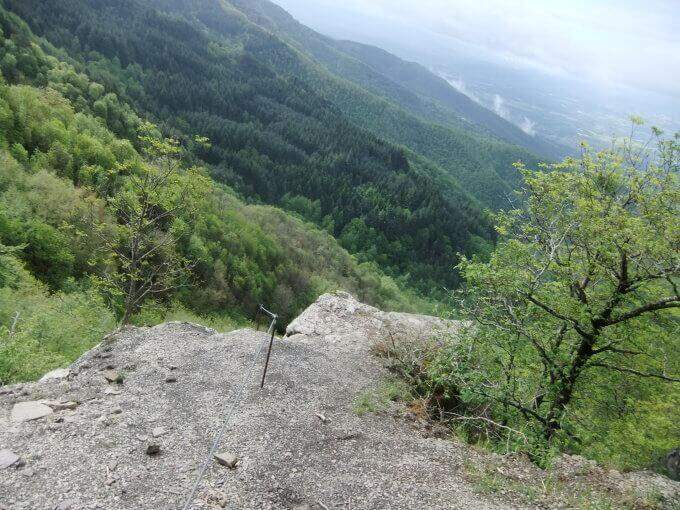
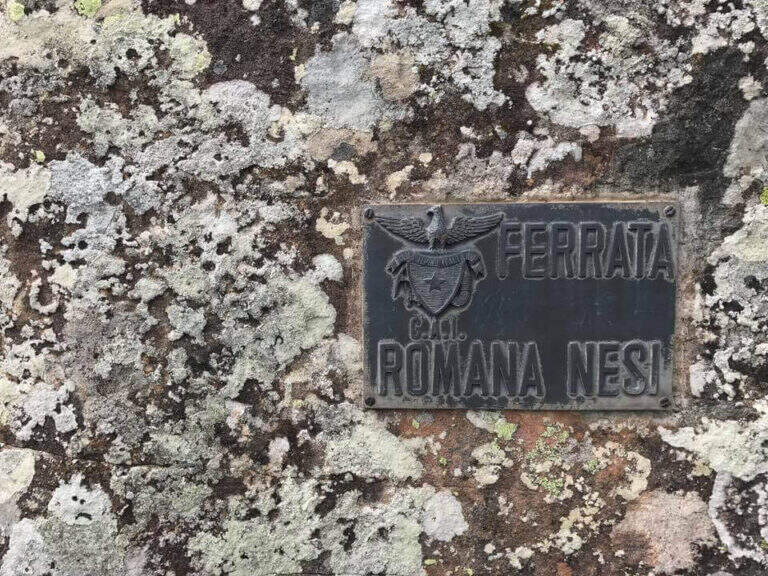
From the term you follow a few meters of track to the plate of the ferrata; the più return; quick & free; for the traccia of left, which goes down alternating woods and stretches discovered to the asphalted road. You go downhill to the left until the junction reached by car; ignored the deviation to the right, continue straight downhill until all' car (30' from the term / 2h from ' start).
In Tuscany, towards Pisa, la Ferrata Sant'Antone on Mount Serra; in the Apennines, the Ferrata Salvatori alla Pania Forata. For those who climb from A1, in Emilia, the Ferrata di Rocca di Badolo.
- DifficultyModerately Hard
- RegionTuscany
- GroupPratomagno
- Approach0:25 h
- Ferrata1:00 h
- Itinerary (a/r)1:50 h
- Hardware level difference180 m
- Route difference300 m
- Max1280 m
- Length4,5 Km